
Posts by Tags

3D Generation

Injecting Language into the 3D World - Part II

Part II moves from spatial reasoning to embodied intelligence. We examine how large language models conditioned on 3D scene representations transition from passive understanding to active decision-making. The discussion focuses on 3D task planning, navigation, object manipulation, and safety constraints.
Injecting Language into the 3D World - Part I

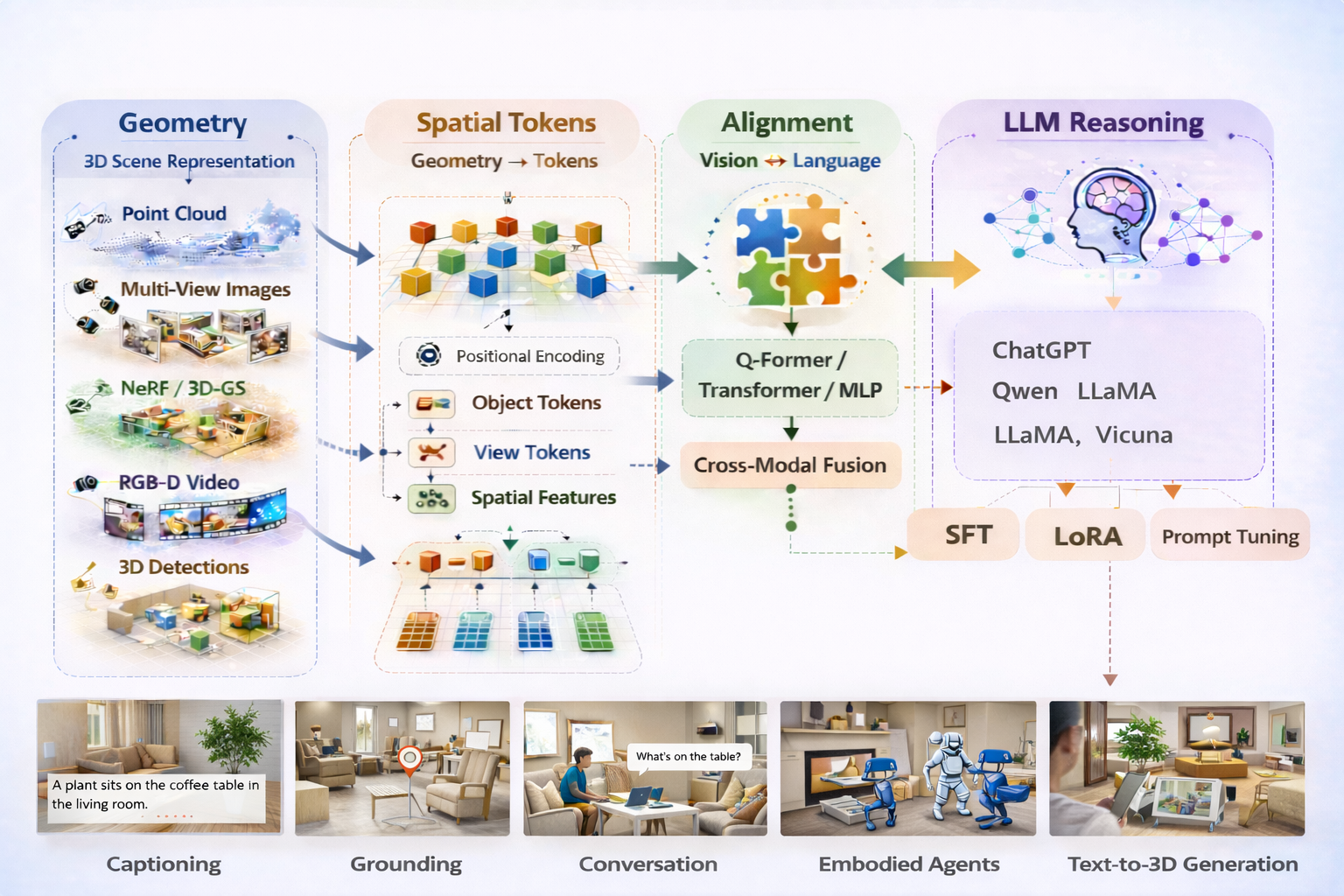
This article presents a structured and research-oriented exploration of how language models are integrated with 3D scene representations. We analyze alignment strategies, architectural design patterns, and task formulations including captioning, grounding, conversation, embodied decision-making, and text-to-3D generation.

3D Reconstruction

Neural Radiance Fields: A Comprehensive Review πŸ“šπŸ”βœ¨

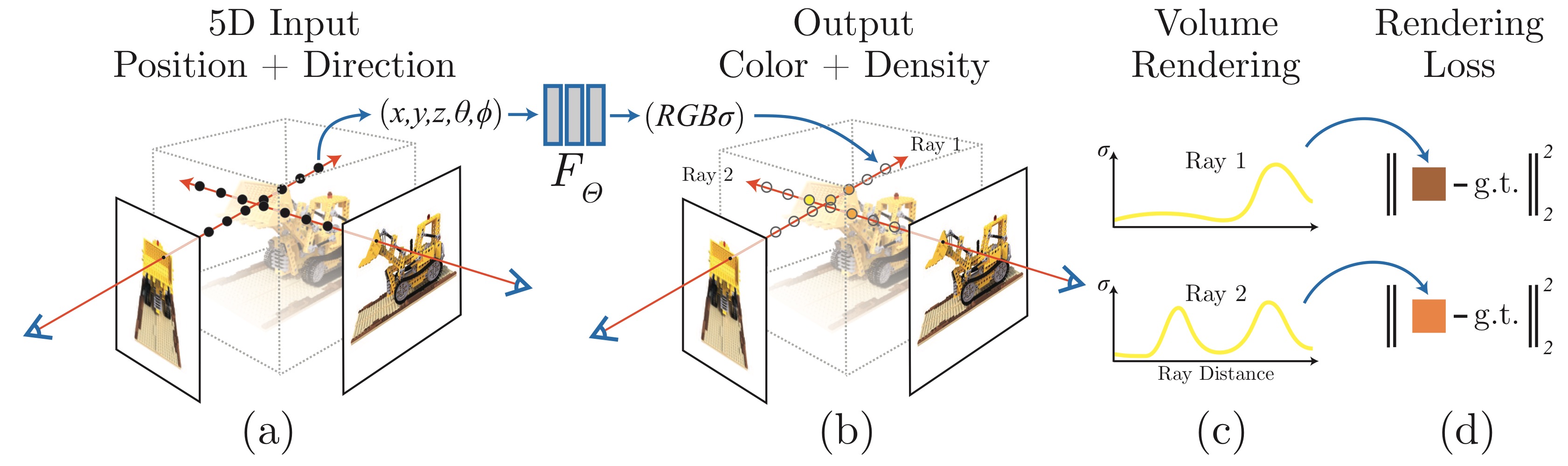
This blog offers a comprehensive exploration of Neural Radiance Fields (NeRFs), a method for photorealistic 3D scene reconstruction from sparse 2D images. It covers foundational concepts, training techniques, and notable advancements and well-known variants in the NeRF family.

3D Vision

Injecting Language into the 3D World - Part II

Part II moves from spatial reasoning to embodied intelligence. We examine how large language models conditioned on 3D scene representations transition from passive understanding to active decision-making. The discussion focuses on 3D task planning, navigation, object manipulation, and safety constraints.
Injecting Language into the 3D World - Part I

This article presents a structured and research-oriented exploration of how language models are integrated with 3D scene representations. We analyze alignment strategies, architectural design patterns, and task formulations including captioning, grounding, conversation, embodied decision-making, and text-to-3D generation.

3D reconstruction

Neural Implicit Representation

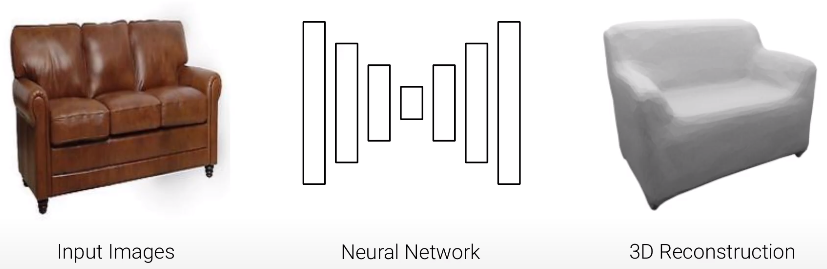
Welcome to this guide on Neural Implicit Representations (NIR), an advanced approach to 3D reconstruction and graphics. Explore concepts like implicit functions, occupancy networks, volumetric rendering, and Neural Radiance Fields (NeRF), enabling high-resolution 3D modeling.

Climate Monitoring

Foundation Models for Earth Observation (EO)

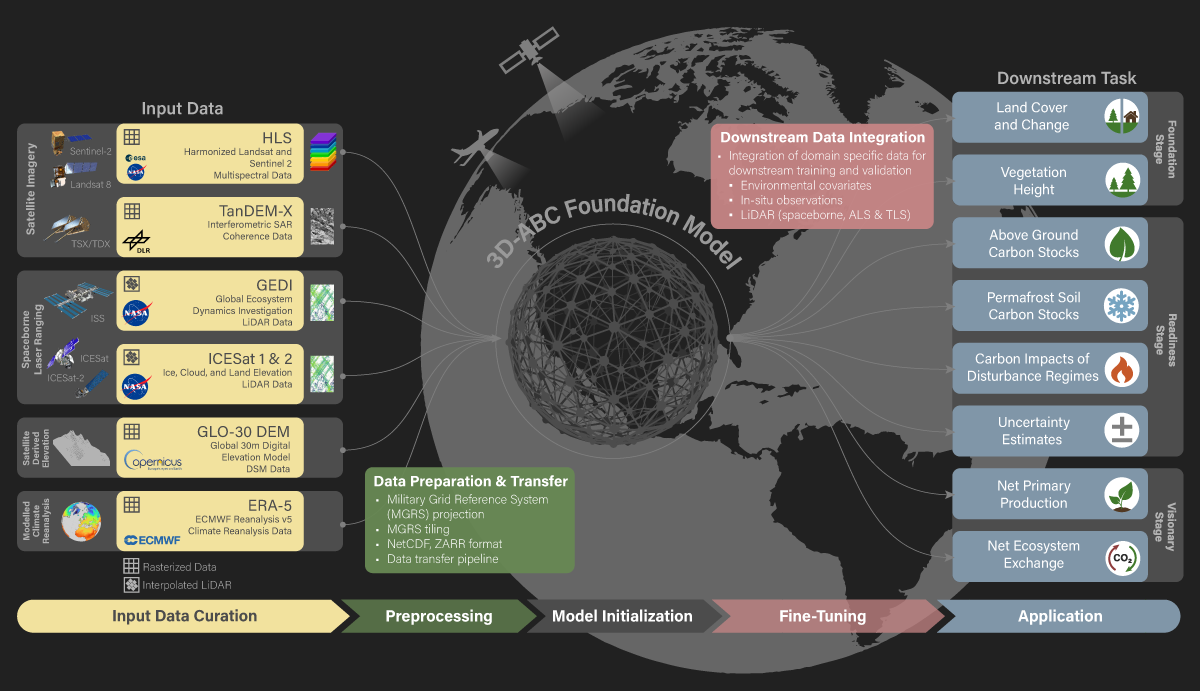
Foundation Models (FMs) are transforming Earth Observation (EO) by unifying diverse satellite, environmental, and sensor datasets into powerful multimodal representations. This study surveys the state of the art, covering adaptive architectures, large-scale pretraining pipelines, and generative any-to-any frameworks. We examine how these advances are accelerating applications and the integration of EO into digital twins.

Computer Graphics

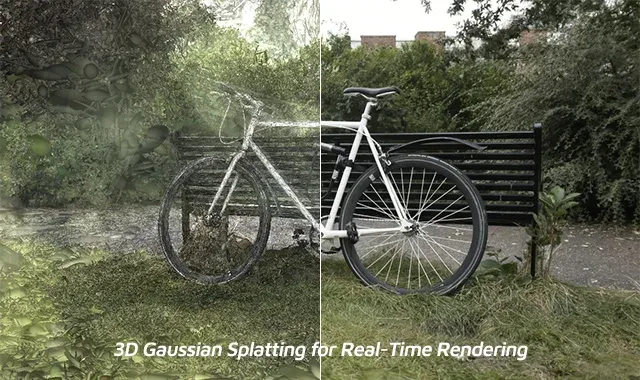
A Comprehensive Study for Gaussian Splatting

Gaussian Splatting is a cutting edge technique for real time neural rendering that models scenes using explicit 3D Gaussians. It offers an alternative to neural implicit representations (NIR) and NeRFs. This study provides a rigorous, structured exploration of its mathematical foundations, differentiable rasterization pipeline, and key advancements that are redefining Gaussian-based scene representation.

Computer Vision

Neural Radiance Fields: A Comprehensive Review πŸ“šπŸ”βœ¨

This blog offers a comprehensive exploration of Neural Radiance Fields (NeRFs), a method for photorealistic 3D scene reconstruction from sparse 2D images. It covers foundational concepts, training techniques, and notable advancements and well-known variants in the NeRF family.

Deep Learning

Neural Radiance Fields: A Comprehensive Review πŸ“šπŸ”βœ¨

This blog offers a comprehensive exploration of Neural Radiance Fields (NeRFs), a method for photorealistic 3D scene reconstruction from sparse 2D images. It covers foundational concepts, training techniques, and notable advancements and well-known variants in the NeRF family.

Diffusion Models: A Comprehensive Guide

Welcome to this guide on Diffusion Models, a groundbreaking class of generative models that create high-quality data by refining noisy inputs. This blog covers their foundations, architectures, training, advanced techniques like conditional and latent diffusion, and applications ranging from image editing to medical imaging, offering a concise overview of their impact on machine learning.

Neural Implicit Representation

Welcome to this guide on Neural Implicit Representations (NIR), an advanced approach to 3D reconstruction and graphics. Explore concepts like implicit functions, occupancy networks, volumetric rendering, and Neural Radiance Fields (NeRF), enabling high-resolution 3D modeling.

Differentiable Rendering

A Comprehensive Study for Gaussian Splatting

Gaussian Splatting is a cutting edge technique for real time neural rendering that models scenes using explicit 3D Gaussians. It offers an alternative to neural implicit representations (NIR) and NeRFs. This study provides a rigorous, structured exploration of its mathematical foundations, differentiable rasterization pipeline, and key advancements that are redefining Gaussian-based scene representation.

Diffusion Models

Diffusion Models: A Comprehensive Guide

Welcome to this guide on Diffusion Models, a groundbreaking class of generative models that create high-quality data by refining noisy inputs. This blog covers their foundations, architectures, training, advanced techniques like conditional and latent diffusion, and applications ranging from image editing to medical imaging, offering a concise overview of their impact on machine learning.

Earth Observation

Foundation Models for Earth Observation (EO)

Foundation Models (FMs) are transforming Earth Observation (EO) by unifying diverse satellite, environmental, and sensor datasets into powerful multimodal representations. This study surveys the state of the art, covering adaptive architectures, large-scale pretraining pipelines, and generative any-to-any frameworks. We examine how these advances are accelerating applications and the integration of EO into digital twins.

Embodied AI

Injecting Language into the 3D World - Part II

Part II moves from spatial reasoning to embodied intelligence. We examine how large language models conditioned on 3D scene representations transition from passive understanding to active decision-making. The discussion focuses on 3D task planning, navigation, object manipulation, and safety constraints.
Injecting Language into the 3D World - Part I

This article presents a structured and research-oriented exploration of how language models are integrated with 3D scene representations. We analyze alignment strategies, architectural design patterns, and task formulations including captioning, grounding, conversation, embodied decision-making, and text-to-3D generation.

Foundation Models

Foundation Models for Earth Observation (EO)

Foundation Models (FMs) are transforming Earth Observation (EO) by unifying diverse satellite, environmental, and sensor datasets into powerful multimodal representations. This study surveys the state of the art, covering adaptive architectures, large-scale pretraining pipelines, and generative any-to-any frameworks. We examine how these advances are accelerating applications and the integration of EO into digital twins.

Gaussian Splatting

A Comprehensive Study for Gaussian Splatting

Gaussian Splatting is a cutting edge technique for real time neural rendering that models scenes using explicit 3D Gaussians. It offers an alternative to neural implicit representations (NIR) and NeRFs. This study provides a rigorous, structured exploration of its mathematical foundations, differentiable rasterization pipeline, and key advancements that are redefining Gaussian-based scene representation.

Generative Models

Diffusion Models: A Comprehensive Guide

Welcome to this guide on Diffusion Models, a groundbreaking class of generative models that create high-quality data by refining noisy inputs. This blog covers their foundations, architectures, training, advanced techniques like conditional and latent diffusion, and applications ranging from image editing to medical imaging, offering a concise overview of their impact on machine learning.

Large Language Models

Injecting Language into the 3D World - Part II

Part II moves from spatial reasoning to embodied intelligence. We examine how large language models conditioned on 3D scene representations transition from passive understanding to active decision-making. The discussion focuses on 3D task planning, navigation, object manipulation, and safety constraints.
Injecting Language into the 3D World - Part I

This article presents a structured and research-oriented exploration of how language models are integrated with 3D scene representations. We analyze alignment strategies, architectural design patterns, and task formulations including captioning, grounding, conversation, embodied decision-making, and text-to-3D generation.

Machine Learning

A Comprehensive Study for Gaussian Splatting

Gaussian Splatting is a cutting edge technique for real time neural rendering that models scenes using explicit 3D Gaussians. It offers an alternative to neural implicit representations (NIR) and NeRFs. This study provides a rigorous, structured exploration of its mathematical foundations, differentiable rasterization pipeline, and key advancements that are redefining Gaussian-based scene representation.

Diffusion Models: A Comprehensive Guide

Welcome to this guide on Diffusion Models, a groundbreaking class of generative models that create high-quality data by refining noisy inputs. This blog covers their foundations, architectures, training, advanced techniques like conditional and latent diffusion, and applications ranging from image editing to medical imaging, offering a concise overview of their impact on machine learning.

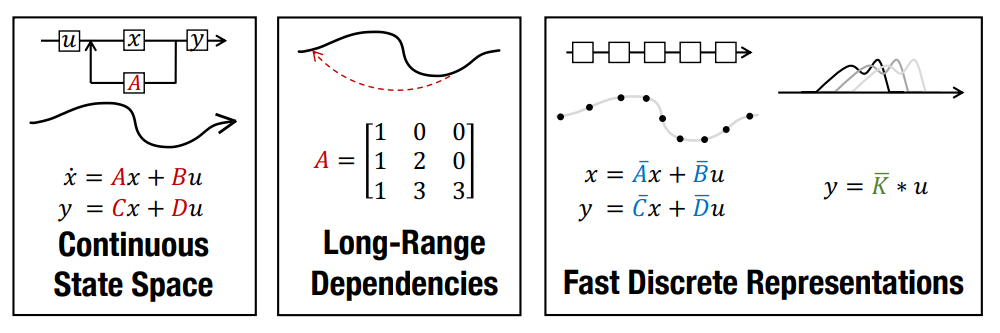
State Space Models (SSM)

Welcome to this guide on State Space Models (SSMs), exploring their efficiency in modeling long-range dependencies, the S4 model, and key techniques.

Mamba

State Space Models (SSM)

Welcome to this guide on State Space Models (SSMs), exploring their efficiency in modeling long-range dependencies, the S4 model, and key techniques.

Multimodal Learning

Injecting Language into the 3D World - Part II

Part II moves from spatial reasoning to embodied intelligence. We examine how large language models conditioned on 3D scene representations transition from passive understanding to active decision-making. The discussion focuses on 3D task planning, navigation, object manipulation, and safety constraints.

Injecting Language into the 3D World - Part I

This article presents a structured and research-oriented exploration of how language models are integrated with 3D scene representations. We analyze alignment strategies, architectural design patterns, and task formulations including captioning, grounding, conversation, embodied decision-making, and text-to-3D generation.

Foundation Models for Earth Observation (EO)

Foundation Models (FMs) are transforming Earth Observation (EO) by unifying diverse satellite, environmental, and sensor datasets into powerful multimodal representations. This study surveys the state of the art, covering adaptive architectures, large-scale pretraining pipelines, and generative any-to-any frameworks. We examine how these advances are accelerating applications and the integration of EO into digital twins.

NeRF

Neural Implicit Representation

Welcome to this guide on Neural Implicit Representations (NIR), an advanced approach to 3D reconstruction and graphics. Explore concepts like implicit functions, occupancy networks, volumetric rendering, and Neural Radiance Fields (NeRF), enabling high-resolution 3D modeling.

Neural Implicit Representation

Neural Implicit Representation

Welcome to this guide on Neural Implicit Representations (NIR), an advanced approach to 3D reconstruction and graphics. Explore concepts like implicit functions, occupancy networks, volumetric rendering, and Neural Radiance Fields (NeRF), enabling high-resolution 3D modeling.

Neural Radiance Fields

Neural Radiance Fields: A Comprehensive Review πŸ“šπŸ”βœ¨

This blog offers a comprehensive exploration of Neural Radiance Fields (NeRFs), a method for photorealistic 3D scene reconstruction from sparse 2D images. It covers foundational concepts, training techniques, and notable advancements and well-known variants in the NeRF family.

Neural Rendering

A Comprehensive Study for Gaussian Splatting

Gaussian Splatting is a cutting edge technique for real time neural rendering that models scenes using explicit 3D Gaussians. It offers an alternative to neural implicit representations (NIR) and NeRFs. This study provides a rigorous, structured exploration of its mathematical foundations, differentiable rasterization pipeline, and key advancements that are redefining Gaussian-based scene representation.

Remote Sensing

Foundation Models for Earth Observation (EO)

Foundation Models (FMs) are transforming Earth Observation (EO) by unifying diverse satellite, environmental, and sensor datasets into powerful multimodal representations. This study surveys the state of the art, covering adaptive architectures, large-scale pretraining pipelines, and generative any-to-any frameworks. We examine how these advances are accelerating applications and the integration of EO into digital twins.

Rendering

Neural Radiance Fields: A Comprehensive Review πŸ“šπŸ”βœ¨

This blog offers a comprehensive exploration of Neural Radiance Fields (NeRFs), a method for photorealistic 3D scene reconstruction from sparse 2D images. It covers foundational concepts, training techniques, and notable advancements and well-known variants in the NeRF family.

State Space Models

State Space Models (SSM)

Welcome to this guide on State Space Models (SSMs), exploring their efficiency in modeling long-range dependencies, the S4 model, and key techniques.

Vision Language Action

Injecting Language into the 3D World - Part II

Part II moves from spatial reasoning to embodied intelligence. We examine how large language models conditioned on 3D scene representations transition from passive understanding to active decision-making. The discussion focuses on 3D task planning, navigation, object manipulation, and safety constraints.
Injecting Language into the 3D World - Part I

This article presents a structured and research-oriented exploration of how language models are integrated with 3D scene representations. We analyze alignment strategies, architectural design patterns, and task formulations including captioning, grounding, conversation, embodied decision-making, and text-to-3D generation.

Volume Rendering

Neural Implicit Representation

Welcome to this guide on Neural Implicit Representations (NIR), an advanced approach to 3D reconstruction and graphics. Explore concepts like implicit functions, occupancy networks, volumetric rendering, and Neural Radiance Fields (NeRF), enabling high-resolution 3D modeling.